Baccarat Documentation
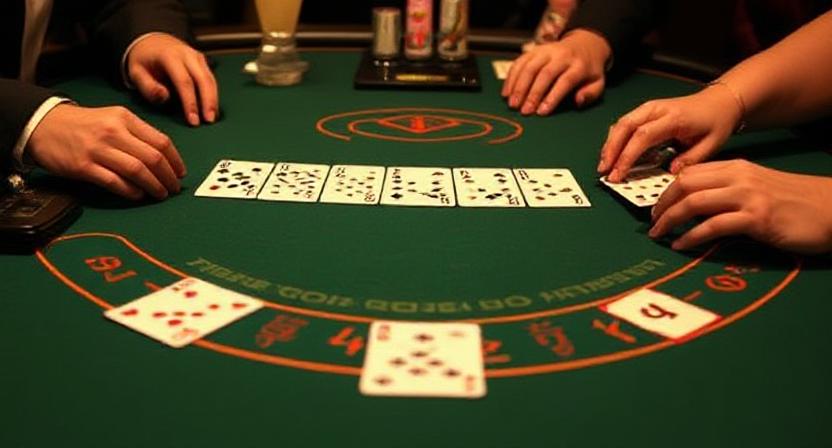
Baccarat or Baccara is a card game.
These days, casinos mainly play it, but was also formerly popular at house parties and private gaming rooms.
Baccarat
Baccarat, the Game: An Elegant Tradition of Casino Gaming
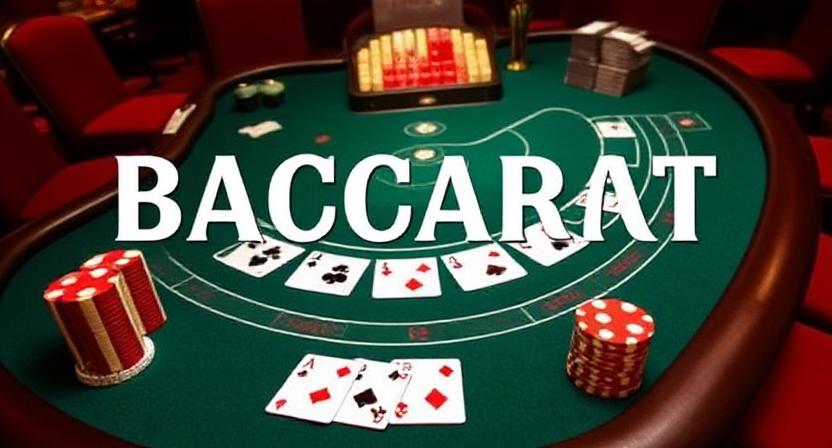
Baccarat is a captivating and enduring casino card game, renowned for its aura of sophistication, simplicity, and high-stakes excitement. With roots stretching back centuries, baccarat has evolved from aristocratic pastimes to a global casino phenomenon, appealing to both casual players and high rollers alike.
Origins and Historical Evolution
The origin's of Baccarat trace back to Italy in the 15th century, where they played "baccara". That word means "zero" in Italian, referencing the value of tens and face cards in the game. It later spread to France, where it gained popularity among aristocrats and royalty, earning a reputation as a game of high society. Over the centuries, baccarat evolved into various versions, the most popular today being Punto Banco, Chemin de Fer, and Baccarat Banque.
How to Play Baccarat
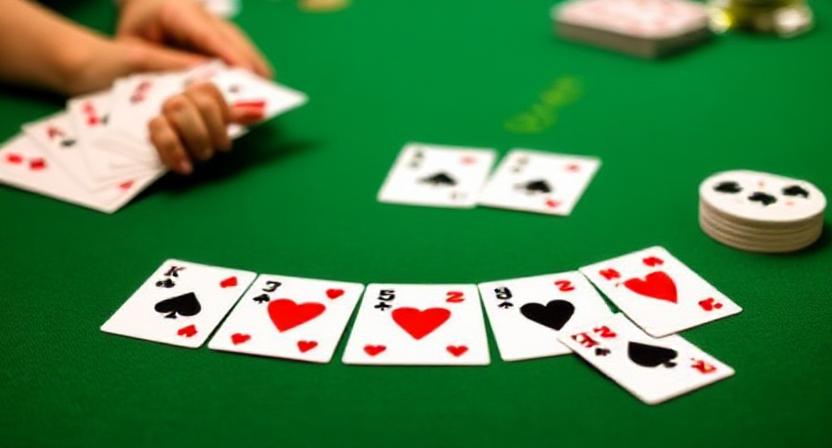
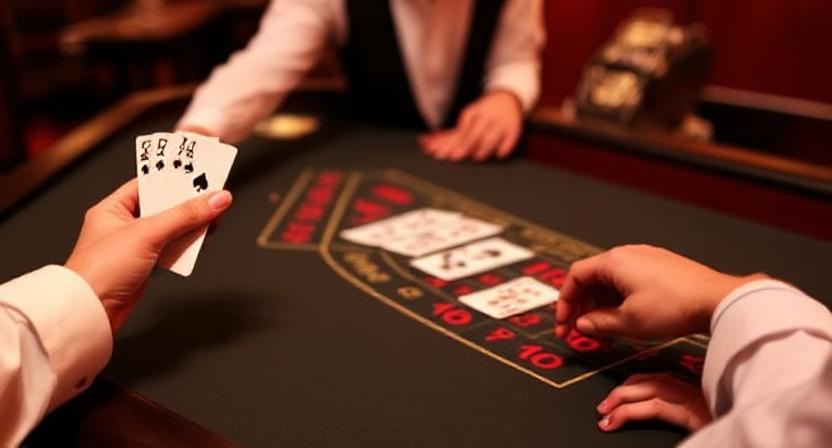
The game is straightforward, making it accessible to newcomers and seasoned gamblers alike. The primary objective is to predict which hand - Player or Banker - will have a total value closest to nine. Alternatively, players can bet on a tie.
- Card Values: Number cards are worth their face value. Aces are worth one point, and tens and face cards are worth zero. If the total exceeds nine, only the last digit counts. For example, a 7 and 8 total 15, which counts as 5.
- Gameplay: Both the Player and Banker are dealt two cards each. Depending on the total, a third card may be drawn according to fixed rules. The hand with a total closest to nine, wins the game.
Betting Options
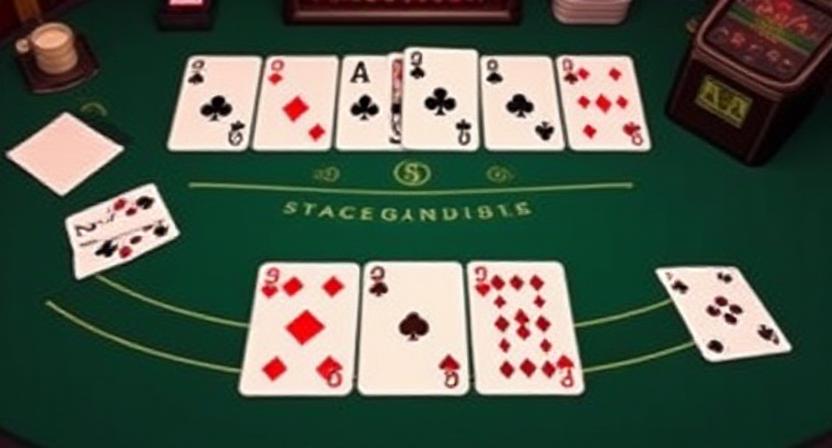
Players can place three main bets:
- Player Bet: Wager on the Player hand winning.
- Banker Bet: Wager on the Banker hand winning. This bet typically has a lower house edge.
- Tie Bet: Wager on both hands tying. Although tempting due to high payouts, it has a higher house edge.
House Edge and Strategy
Baccarat boasts a low house edge among casino games, especially on Banker bets, which have approximately a 1.06% house edge. Player bets are slightly higher in favorability, with around 1.24%. Tie bets, however, carry a house edge of about 14.4%, making them less advisable for consistent play.
While baccarat is largely a game of chance, understanding the odds and betting strategically can improve the general experience.
Modern Variations and Popularity
Today, nearly every casino features baccarat, both physically and on-line. Modern variations and side bets add excitement, while digital interfaces make the game more accessible and convenient.
Baccarat has appeared as a game of choice for spies and high-stakes gamblers. This popular culture, notably in James Bond (also known A '007') films, reinforced the game's association with luxury and high rollers.
Conclusion
Baccarat remains a timeless game that combines simplicity, elegance, and strategic betting. Its low house edge and straightforward rules make it an appealing choice for players seeking both entertainment and the chance to win bigly. Baccarat continues to enchant players around the world, whether in a glamorous casino setting or on-line gaming platform.
 Downloads
:

 Baccarat